Jul 8 • International Radiation Safety Consulting Inc

How to Become a Radiation Safety Officer

If you’re wondering how to become a radiation safety officer, this guide will walk you through the required training and certifications necessary to become an RSO.
Radiation Safety Officers (RSOs) play a very important role in protecting workers, facilities, and the public in industries that use radioactive materials or radiation-emitting equipment. Manufacturing plants, construction sites, research laboratories, and defense operations are all organizations that rely on qualified RSOs to maintain compliance, reduce risk, and ensure radiation exposure remains as low as reasonably achievable. 

If you are interested in a career in radiation safety, understanding the qualifications, training requirements, and day-to-day responsibilities of the role is the first step. This guide explains how to become a Radiation Safety Officer in non-medical industries and what skills and training are needed from International Radiation Safety Consultants, Inc., to succeed.

What Is a Radiation Safety Officer?

A Radiation Safety Officer is the individual responsible for implementing and overseeing a company’s radiation protection program. RSOs help organizations safely manage radioactive materials and radiation-emitting devices while complying with federal and state regulations.


In industrial and non-medical environments, RSOs are commonly found in industries like:


  • Security 
  • Manufacturing
  • Research and development
  • Food safety 
  • Environmental monitoring
  • Oil and gas
  • Mining
  • Defense and law enforcement


The RSO is often designated on a radioactive materials license and has the authority to identify, correct, and prevent radiation safety issues within the organization.


radiation safety officer holding a clipboard

What Does a Radiation Safety Officer Do?
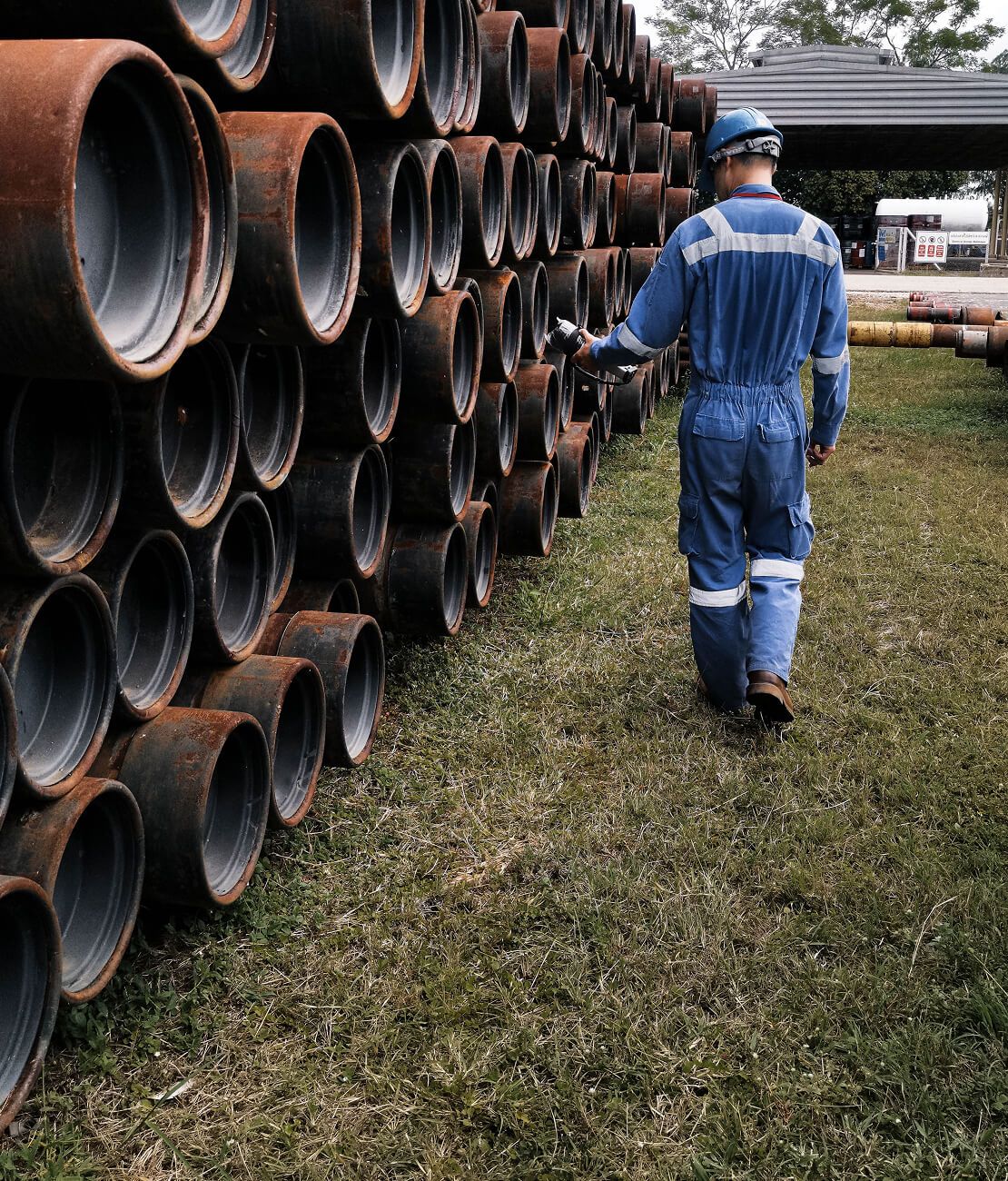
The responsibilities of an RSO can vary depending on the industry and the types of radiation sources used, but most positions include a combination of regulatory oversight, training, inspections, and program management. A Radiation Safety Officer may be responsible for:

  • Maintaining radiation protection programs
  • Ensuring compliance with NRC, OSHA, EPA, and state regulations
  • Monitoring radiation exposure levels
  • Conducting radiation surveys and audits
  • Maintaining radioactive material inventories
  • Reviewing shipping and receiving procedures for radioactive materials
  • Overseeing waste handling and disposal procedures
  • Ensuring radiation-measuring equipment is properly calibrated
  • Providing radiation safety training to employees
  • Preparing for inspections and regulatory audits
  • Responding to radiation incidents or emergencies

A major part of the role involves keeping radiation exposure ALARA (as low as reasonably achievable) while maintaining efficient operations.

benefits of online rso training

Who Can Become a Radiation Safety Officer?

Radiation Safety Officers come from a variety of backgrounds. While many professionals transition into the role after gaining experience in industries that use radiation equipment or radioactive materials, a technical or scientific background is not always a requirement. Regulators make this determination on a case-by-case basis, taking into account an individual's experience and intended use of the application. Professionals who often pursue RSO roles include:

  • Engineers
  • Laboratory Managers
  • Quality Assurance Personnel
  • Environmental Health and Safety (EHS) Specialists
  • Military Radiation Protection Personnel

Education and Training Requirements for Radiation Safety Officers

The exact qualifications required to become an RSO depend on the type of license, the industry, and the specific radiation sources used at the facility. However, most positions require a combination of education, radiation safety training, and practical experience. Many Radiation Safety Officers hold degrees in the sciences, engineering, or occupational safety. 

Radiation Safety Training

One of the most important steps in becoming an RSO is completing formal radiation safety training. Organizations and regulatory agencies require documented training hours that cover radiation fundamentals, regulations, safety procedures, and emergency response. The standard requirement is typically 40 hours of training.

For professionals working in industrial and non-medical settings, a comprehensive online RSO course can provide the foundational knowledge needed to support compliance and workplace safety.

40-Hour Online Radiation Safety Officer (RSO) Training Course

International Radiation Safety Consulting, Inc., offers a 40-Hour Online Radiation Safety Officer (RSO) Training Course specifically designed for non-medical industries. 

What This Course Covers

The self-paced online course provides comprehensive training on:

  • Radiation fundamentals
  • Radiation protection principles
  • Regulatory compliance requirements
  • NRC, OSHA, EPA, DOT, and FDA CDRH regulations
  • Radiation-emitting devices
  • Radioactive material handling
  • Radiation surveys and monitoring
  • Recordkeeping and documentation
  • Emergency response procedures
  • Inspection preparedness
  • Radiation safety program management
  • Transportation of radioactive materials
  • Radioactive waste management

Participants complete online lessons with quizzes at the end of each section, allowing them to learn at their own pace.

Benefits of Online RSO Training

Professionals often choose online RSO training with International Radiation Safety Consulting, Inc., because it offers:

  • Flexible scheduling: Self-paced learning allows participants to complete the course around work schedules and operational demands. Trainees can stop at any time and return to the course whenever it is convenient for them.
  • Industry-specific training: The course focuses specifically on industrial and non-medical radiation safety applications rather than healthcare environments.
  • Regulatory compliance support: The curriculum is designed to support applicable training requirements associated with NRC, OSHA, EPA, DOT, and FDA CDRH regulations.
  • Practical knowledge: The course emphasizes real-world radiation safety program management and compliance responsibilities.

Learn, Protect & Empower With IRSC’s RSO Course

Becoming a Radiation Safety Officer requires technical knowledge, regulatory understanding, and a passion for workplace safety. For professionals working in industrial and non-medical environments, completing formal radiation safety training is one of the most important steps toward qualifying for the role.

International Radiation Safety Consulting’s 40-Hour Online Radiation Safety Officer Training Course provides flexible, self-paced instruction designed specifically for professionals in manufacturing, construction, mining, oil and gas, military, defense, research, and academic settings.

For many professionals, taking an RSO course is a regulatory requirement — ensuring their facility meets compliance standards set by agencies such as the NRC, OSHA, EPA, DOT, and FDA CDRH. Whether you are working in an industry that uses radiation equipment or radioactive materials and need to bring your facility into compliance, or you are preparing for a new career path or expanding your existing safety responsibilities, proper RSO training will help you build the knowledge and confidence needed to manage radiation safety programs effectively.

Make Your Next Career Move

Our RSO training courses give you the practical knowledge and regulatory insight you need to manage radiation safety with confidence in industrial environments. Sign up today to get started at your own pace.

FAQ

Is there a difference between an RSO and an Responsible Person?

Yes. An RSO is typically a formally designated role required by regulatory agencies for organizations using radioactive materials or radiation-producing equipment. A Responsible Person serves as the primary contact for regulators and is the point person for any questions regarding the safe operation of radiation equipment within their facility.

Is radiation safety training required to become an RSO?

Yes. Formal radiation safety training is one of the most important requirements for becoming an RSO. All organizations require documented training that covers radiation fundamentals, regulations, safety procedures, emergency response, and compliance practices.

What regulations must Radiation Safety Officers follow?

RSOs often work with regulations and guidance from agencies such as the NRC, OSHA, EPA, DOT and FDA CDRH. Their role includes helping organizations maintain compliance with all applicable federal and state radiation safety requirements.

Will my state accept your RSO course?

Our RSO Course has been offered since 2009 and has been accepted by regulators across all 50 U.S. states. However, approval decisions are ultimately made by your state regulator or the NRC.

Will I be qualified as an RSO after completing your 40-hour course?

After completing the 40-Hour Radiation Safety Officer Course, you will meet the training component typically required for RSO qualification.

Final approval to serve as an RSO depends on:
  • Your educational background
  • The type of radioactive materials or x-ray systems used
  • Your specific state or NRC regulator

You will receive a course completion certificate after finishing the program.