Radiation Safety for Food Safety
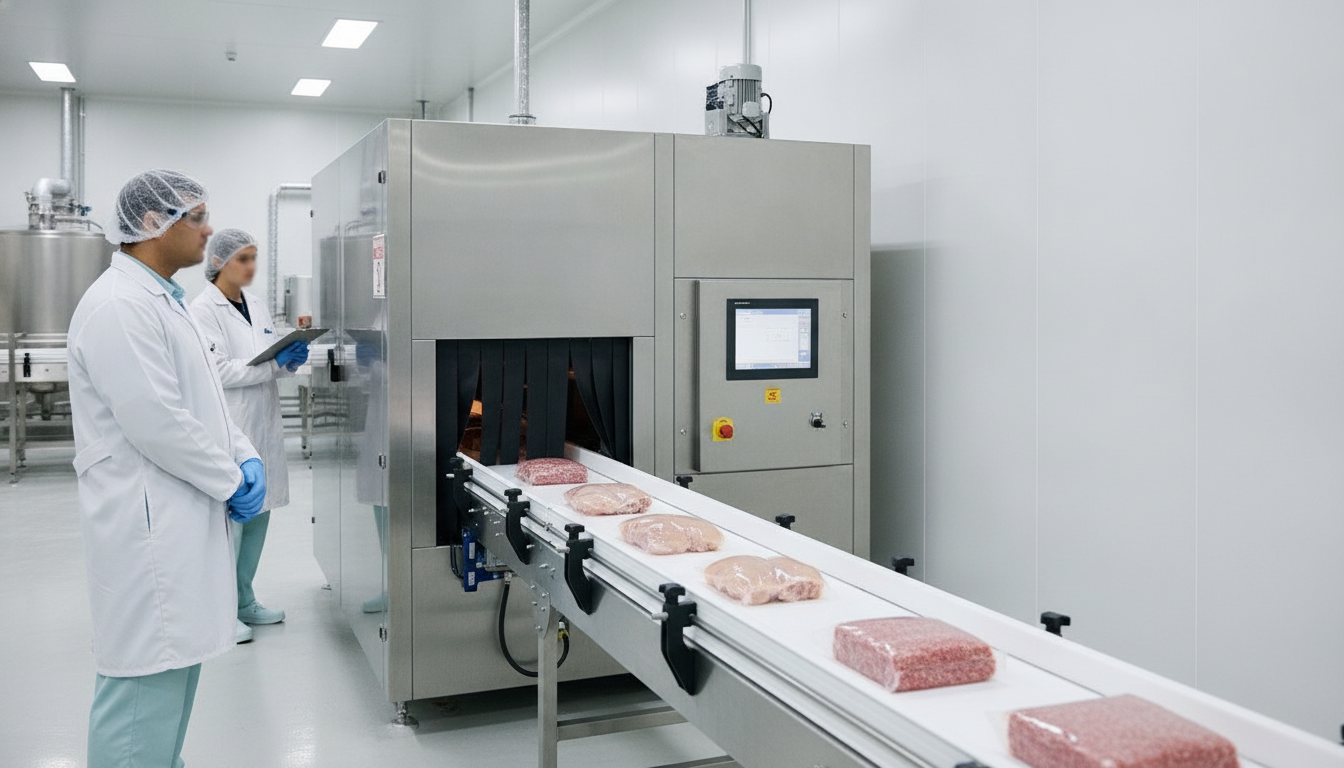
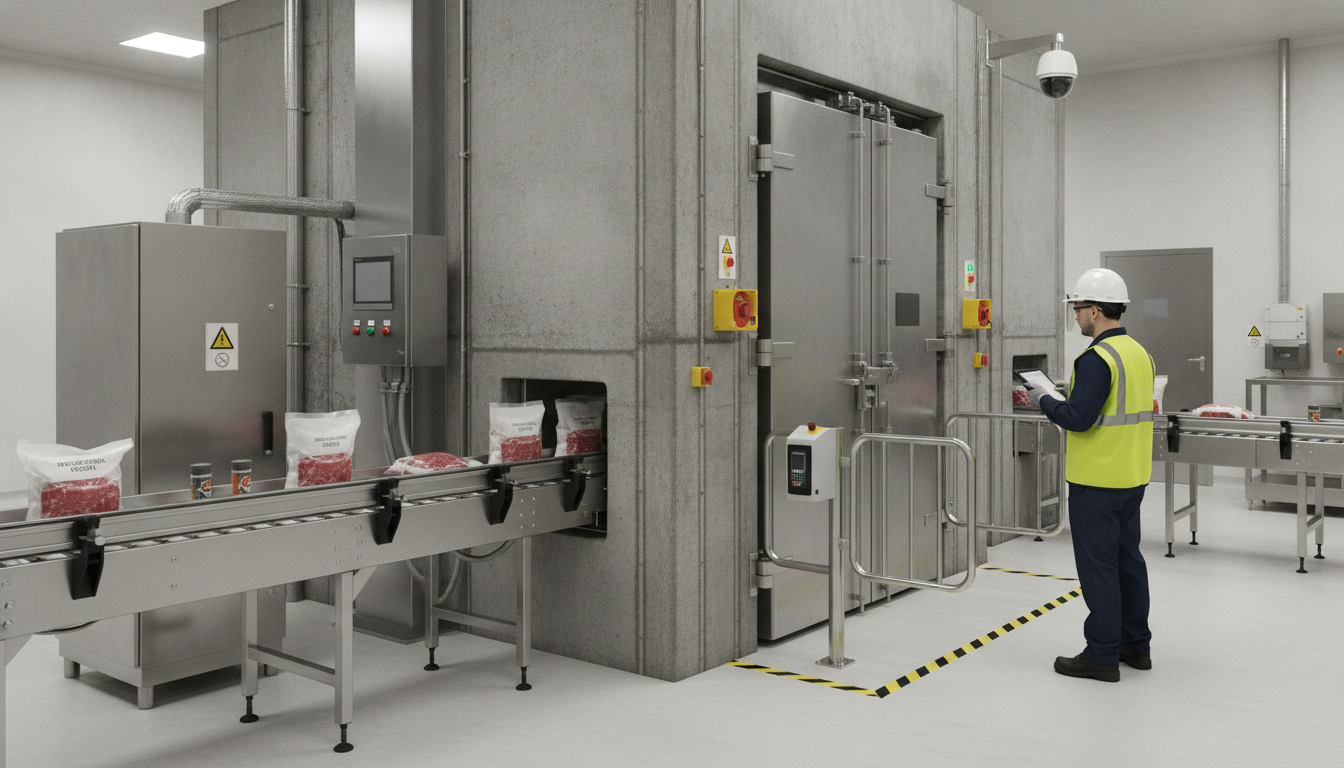
Food processors rely on radiation-producing equipment every day, often without thinking of it in those terms. X-ray inspection systems catch metal, bone, and packaging defects on meat and poultry lines. Nucleonic gauges monitor fill levels and density on canning and bottling lines. Irradiation processes reduce pathogens in meat, poultry, and spices. Every one of these technologies falls under FDA, USDA/FSIS, NRC or Agreement State, and OSHA oversight, and every one of them requires documented radiation safety training for the people who work around it. IRSC helps meat processors, cheesemakers, canners, and bottlers build compliant, audit-ready radiation safety programs around the equipment they actually run.
40-Hour Online RSO Course
Radiation Safety Compliance in Food Processing and Packaging
";Food facilities answer to more regulators than most industrial sectors. The FDA governs radiation-emitting X-ray products under 21 CFR 1020.40, USDA/FSIS oversees meat, poultry, and egg product facilities, and any sealed source used in a gauge or irradiator falls under NRC or Agreement State licensing. On top of that, OSHA's 29 CFR 1910.1096 (or the state equivalent) requires documented worker training on radiation exposure and protection.
;
";
;
That's four sets of requirements stacked on top of each other, and inspectors from any of them can ask for the same thing: proof that your Radiation Safety Officer program is real, current, and followed. IRSC helps food processors sort out which requirements apply to their specific equipment and builds programs that hold up when regulators show up.
Where Radiation-Producing Equipment Shows Up in Food Facilities
X-Ray Inspection Systems for Contaminant Detection
Nucleonic Level and Density Gauges

Food Irradiation for Pasteurization and Shelf-Life Extension
Radiation Safety Support by Food Sector
RSO Training for Food Safety Facilities
Radiation Safety Training Your Food Facility Team Needs
Compliance Support: Audits, Licensing, and Documentation
Why Food Manufacturers Choose IRSC
Frequently Asked Questions
Is X-ray food inspection safety a real concern for line workers?
Modern cabinet X-ray inspection systems are shielded so they don't emit radiation externally, and radiation shuts off when the unit powers down. Even operators stationed near the equipment all day aren't exposed to harmful doses. That said, regulations still require documented, equipment-specific x-ray food inspection safety training for anyone who operates or maintains the system, regardless of how low the actual exposure risk is.
Who regulates X-ray inspection and irradiation equipment in food facilities?
It depends on the equipment. X-ray inspection systems fall under FDA regulations (21 CFR 1020.40) and OSHA worker protection standards. Sealed source gauges and irradiators fall under NRC or Agreement State licensing. USDA/FSIS regulates irradiated meat, poultry, and egg products specifically. Most facilities need a Radiation Safety Officer who understands how all four overlap.
Does our facility need a licensed Radiation Safety Officer if we only use X-ray inspection equipment?
X-ray inspection systems (which don't contain radioactive material) are typically regulated differently than sealed-source gauges or irradiators, but many states and FDA guidance still expect a designated responsible individual overseeing radiation safety, documented worker training, and inspection records. If your facility also runs nucleonic gauges or an irradiator, an NRC/Agreement State-licensed RSO is required.
What's the difference between food irradiation and X-ray inspection?
X-ray inspection detects foreign material (metal, bone, glass) inside food products and doesn't alter the food itself. Food irradiation intentionally exposes food to radiant energy (gamma, electron beam, or X-ray) to reduce pathogens and extend shelf life. Both use ionizing radiation but serve completely different purposes and carry different licensing requirements. Food irradiation safety consulting typically involves a much more involved regulatory process than inspection equipment does.
How often does radiation safety training need to be renewed for food industry workers?
Requirements vary by state and by equipment type, but most programs require initial training documented at hire, refresher training on a recurring basis (often annually), and re-training whenever new equipment is introduced or procedures change. Your license conditions or state regulations will specify exact intervals.
We run canning and bottling lines with nucleonic gauges. What training do we need?
Anyone who works near, maintains, or could be exposed to a nucleonic gauge needs radiation worker training covering the specific source type, exposure risks, and emergency procedures for that gauge, in addition to your RSO completing NRC/Agreement State-recognized RSO training.
Can IRSC help with a facility that has multiple types of radiation-producing equipment (X-ray inspection, gauges, and irradiation)?
Yes. This is common in canning and bottling operations especially. IRSC builds a single coordinated radiation safety program that addresses each equipment type's specific licensing, training, and documentation requirements instead of managing them as separate, disconnected efforts.
What happens during a radiation safety audit at a food processing facility?
Auditors typically check for a current license (if applicable), documented equipment-specific worker training records, source inventory and leak-test logs, dosimetry monitoring records, and evidence that written procedures match actual practice on the floor. IRSC's audits identify these gaps before regulators do.

Empowering industries with expert radiation safety training, consulting, and compliance solutions.
© 2026 IRSC, Inc. All rights reserved.
Powered By H3A