Radiation Safety for Security Personnel
Radiation safety training is necessary for operators of security equipment. This type of training is different than just the operation of this unit. It involves topics such as education on what radiation is, how does an x-ray unit work, what the safety features are on x-ray equipment, how to recognize concerns, and what your employer is doing to help keep you safe. IRSC's training courses meet regulatory requirements and help ensure worker safety. IRSC Inc. has spent over 20 years helping training Industrial X-Ray operator training.
40-Hour Online RSO Course
Why Security Personnel Need Radiation Safety Training
";Radiation Safety Training is required for safety, complaince, and liability reasons. It also provides workers with additional comfort in performing their duties when they are well informed of the potential for radiation dose and how it is prevented.
;
";
;
Who We Work With in the Security Sector
Airports
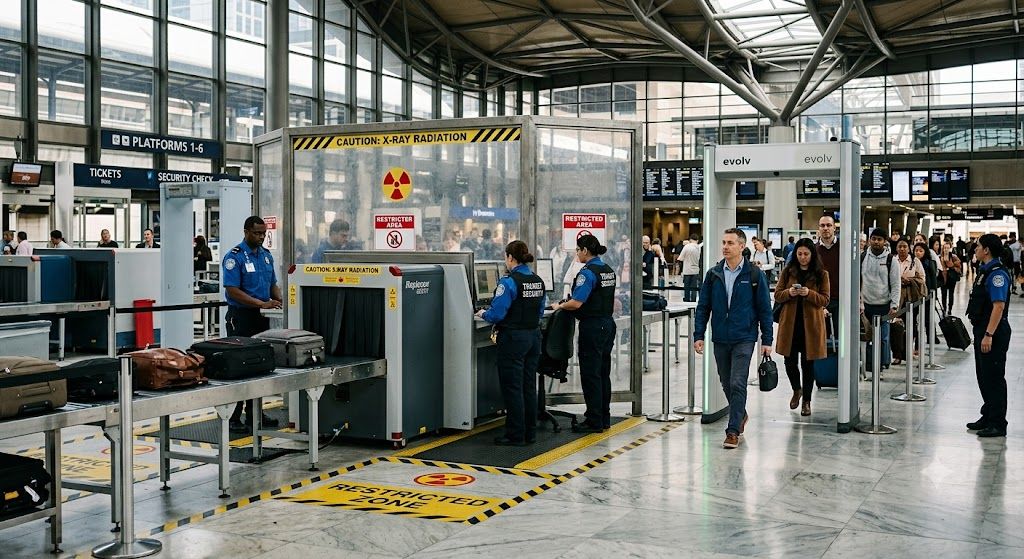
Border Control
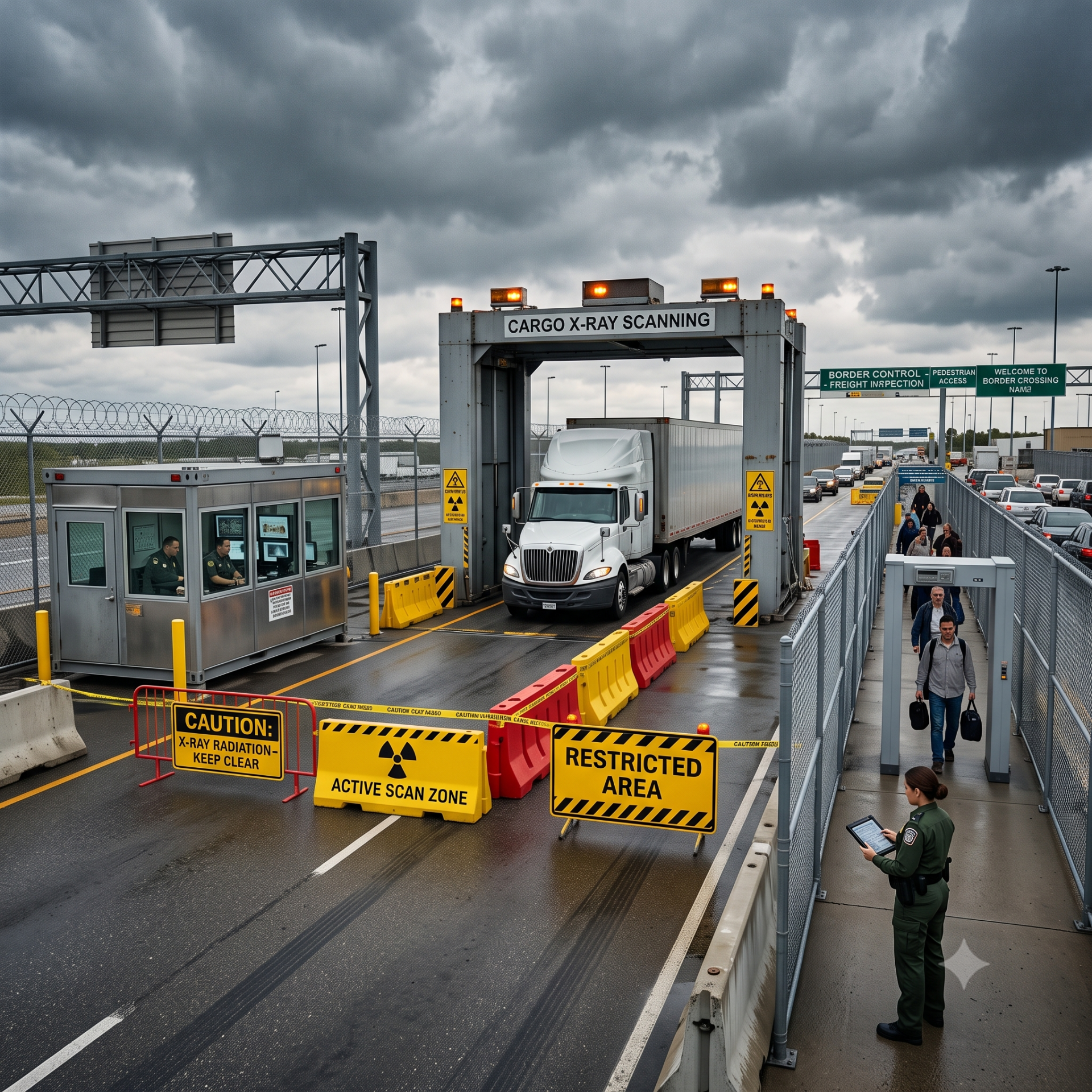
Entertainment Events (Music and Sporting)
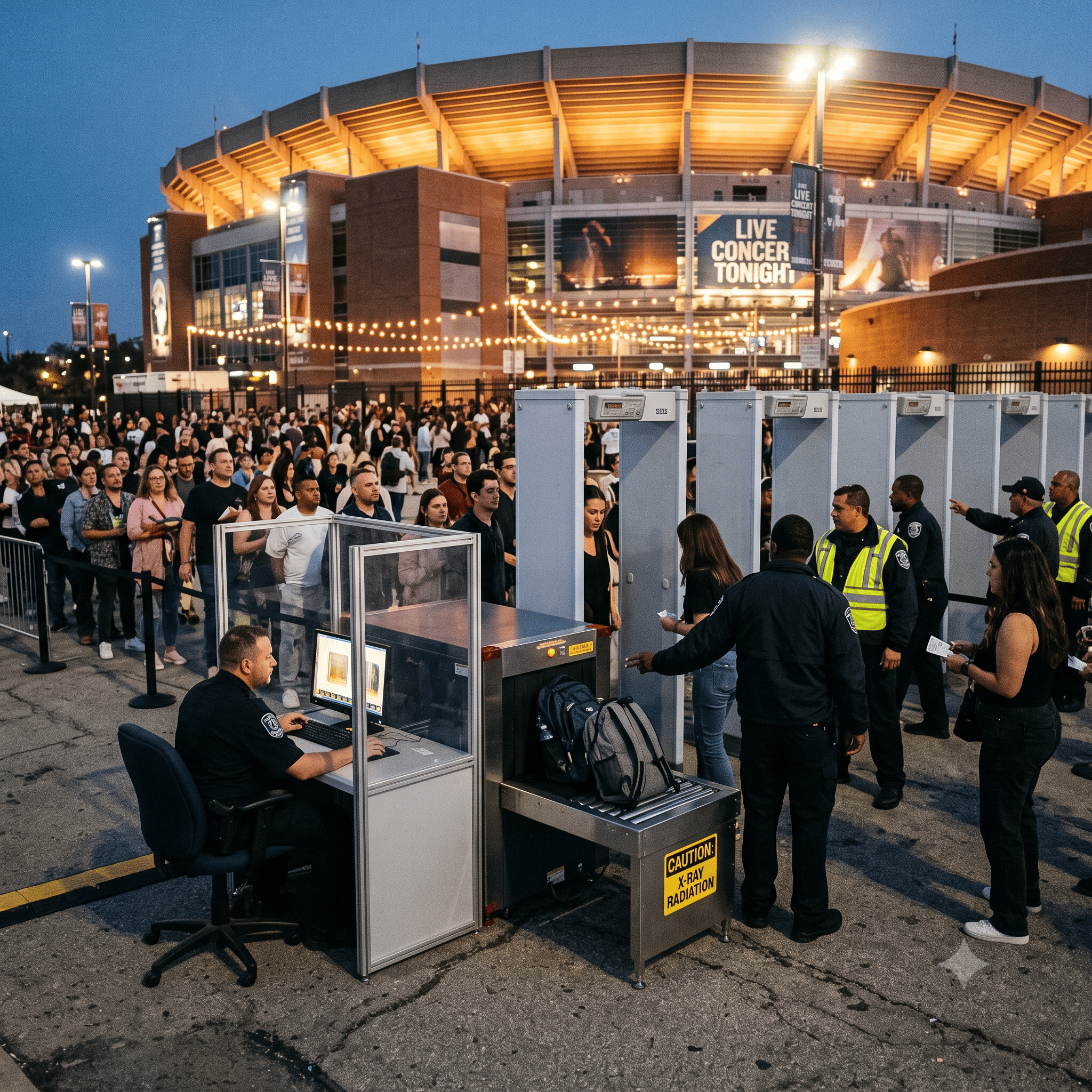
Corporate
Education
Regulatory Compliance Requirements for Manufacturing Licensees and Registrations
RSO Training for Manufacturing
Our Radiation Safety Training Programs for Security Teams
40-Hour RSO Training and Core Compliance Training
Regulatory Controls and Transport Training
Short and Specialized Compliance Courses
Refresher and Supplemental Safety Training
Custom Corporate Training
Regulatory Compliance for the Security Industry
Frequently Asked Questions
Do security officers who operate baggage X-ray systems need to wear dosimetry badges?
Not automatically, but the answer should come from an actual exposure assessment, not an assumption. Federal standards cap cabinet X-ray system emissions at 0.5 milliroentgens per hour at five centimeters from the surface, and available data on screener exposures consistently shows annual doses well below the threshold that triggers mandatory personnel monitoring requirements. TSA's dosimetry program, for example, documents average annual screener doses below 50 microsieverts, comparable to background radiation over a week or two. That said, the right approach for any organization is to document a formal exposure evaluation for your facility. It confirms whether monitoring is required, and it creates a defensible record showing the decision was made deliberately.
What's the correct response when a radiation portal monitor alarm goes off?
Follow a written alarm response procedure, and have that procedure established before the alarm happens. A portal monitor alarm does not indicate a threat by itself. Common triggers include patients who recently received nuclear medicine treatments (radioiodine therapy and certain cardiac imaging agents are frequent culprits), naturally occurring radioactive materials in shipments of building materials, fertilizers, or mineral products, and even some consumer goods. The correct response involves secondary screening with a handheld RIID to identify the specific isotope, comparing that identification against known legitimate sources, and escalating only when the data points to a material of concern. Organizations that have documented alarm response protocols and trained personnel to follow them handle these events efficiently.
Does our private security firm need a Radiation Safety Officer?
Requirements for ionizing radiation generating devices depend on the category of equipment you operate, and the state you are in.
Training Requirements:
Cabinet x-ray Systems (Security Scanners)
For cabinet x-ray systems such as baggage scanners, you are required at minimum to designate a responsible person. Some states may refer to this person as the Radiation Safety Officer (RSO). Often the term RSO is used for more complex licenses and registrations. The amount of required radiation safety training for the “responsible person” or RSO depends upon the state. IRSC’s 8 Hr Cabinet X-ray System RSO course is widely accepted by states as an acceptable amount of training. For an assessment of the amount of required training by state, please see this list…
Explosive Detectors
Devices containing radioactive sources fall under three categories in the US:
Specific License: You need written authorization prior to receiving the device.
General License: You may receive the device without written authorization, but you must follow the regulations in regards to lawful use and disposal. They may be required to be registered after receipt, deepening upon the radionuclide and activity, and the state of use.
Exempt: No regulatory requirements
Most explosives detectors with radioactive sources sold to end users are distributed under general licenses or for users exempt from licensing, which means the operator doesn't need to hold a separate NRC or state license. For general license or exempt devices such as explosives detectors, there is no radiation safety training requirement for the responsible person or the end user. Just follow the directions in the user manual.
If your firm holds a specific license, if you operate under contract at a facility where the client's license makes you responsible for overseeing radioactive materials, or if you handle equipment that contains sealed sources requiring possession authorization, then designating a qualified radiation safety officer for the security industry setting becomes a regulatory obligation. If you're not certain which category you fall into, that's worth finding out before an inspection.
Training Requirements:
Cabinet x-ray Systems (Security Scanners)
For cabinet x-ray systems such as baggage scanners, you are required at minimum to designate a responsible person. Some states may refer to this person as the Radiation Safety Officer (RSO). Often the term RSO is used for more complex licenses and registrations. The amount of required radiation safety training for the “responsible person” or RSO depends upon the state. IRSC’s 8 Hr Cabinet X-ray System RSO course is widely accepted by states as an acceptable amount of training. For an assessment of the amount of required training by state, please see this list…
Explosive Detectors
Devices containing radioactive sources fall under three categories in the US:
Specific License: You need written authorization prior to receiving the device.
General License: You may receive the device without written authorization, but you must follow the regulations in regards to lawful use and disposal. They may be required to be registered after receipt, deepening upon the radionuclide and activity, and the state of use.
Exempt: No regulatory requirements
Most explosives detectors with radioactive sources sold to end users are distributed under general licenses or for users exempt from licensing, which means the operator doesn't need to hold a separate NRC or state license. For general license or exempt devices such as explosives detectors, there is no radiation safety training requirement for the responsible person or the end user. Just follow the directions in the user manual.
If your firm holds a specific license, if you operate under contract at a facility where the client's license makes you responsible for overseeing radioactive materials, or if you handle equipment that contains sealed sources requiring possession authorization, then designating a qualified radiation safety officer for the security industry setting becomes a regulatory obligation. If you're not certain which category you fall into, that's worth finding out before an inspection.

Empowering industries with expert radiation safety training, consulting, and compliance solutions.
© 2026 IRSC, Inc. All rights reserved.
Powered By H3A