Radiation Safety for the Oil and Gas Industry
Oil and gas operations put sealed radioactive sources into some of the most demanding field conditions of any industry: wireline crews lowering sources thousands of feet downhole, radiographers X-raying pipeline welds on open right-of-ways, and nucleonic gauges running unattended on production and process equipment. Keeping these operations compliant takes two things working together: a radiation safety program built by people who understand field operations, and training that actually prepares crews for the conditions they'll face on site. IRSC provides both. We combine radiation safety consulting for oil and gas companies with hands-on training and courses for the RSOs, wireline hands, radiographers, and gauge technicians who run these programs every day.
40-Hour Online RSO Course
Radiation Safety Oil and Gas Companies Can Depend On
";Oil and gas operations involve some of the highest-activity sealed sources used outside of medical and research settings, deployed in conditions most other industries never encounter: remote well sites, moving drilling rigs, and pipeline right-of-ways with no fixed facility around the source. That combination of high-activity material and uncontrolled field environments is exactly why 10 CFR Part 39 exists as its own dedicated regulatory framework for well logging, separate from other materials licensing requirements.
;
";
;
Radiation safety in this sector isn't a single checklist, and it isn't something you set up once and forget. Well logging, industrial radiography, and gauging each carry different license conditions, different source handling rules, and different training requirements, even when the same company operates all three. IRSC works with oil and gas operators and service contractors on both ends of the problem: building the compliance program itself, and training the people who have to execute it in the field.
Radiation Safety Consulting for Oil and Gas Operations
";Consulting support covers the program-level work that keeps a license defensible year over year:
;
";
;
- License application and amendment support for well logging, radiography, and gauging operations
- Sealed source inventory tracking and leak test scheduling across multiple source types
- Radiation Safety Officer program design and oversight support
- Dosimetry program setup and review for field and radiography personnel
- Abandonment and irretrievable source procedures consistent with 10 CFR Part 39
- Mock audits ahead of NRC or Agreement State inspections
Whether you're licensing a new well logging unit, adding a radiography crew, or reconciling inventory across a dozen process gauges scattered across a site, consulting is where the paperwork gets built to actually match what's happening in the field.
Radiation Safety Training and Courses for Gas and Oil Field Crews
Well Logging
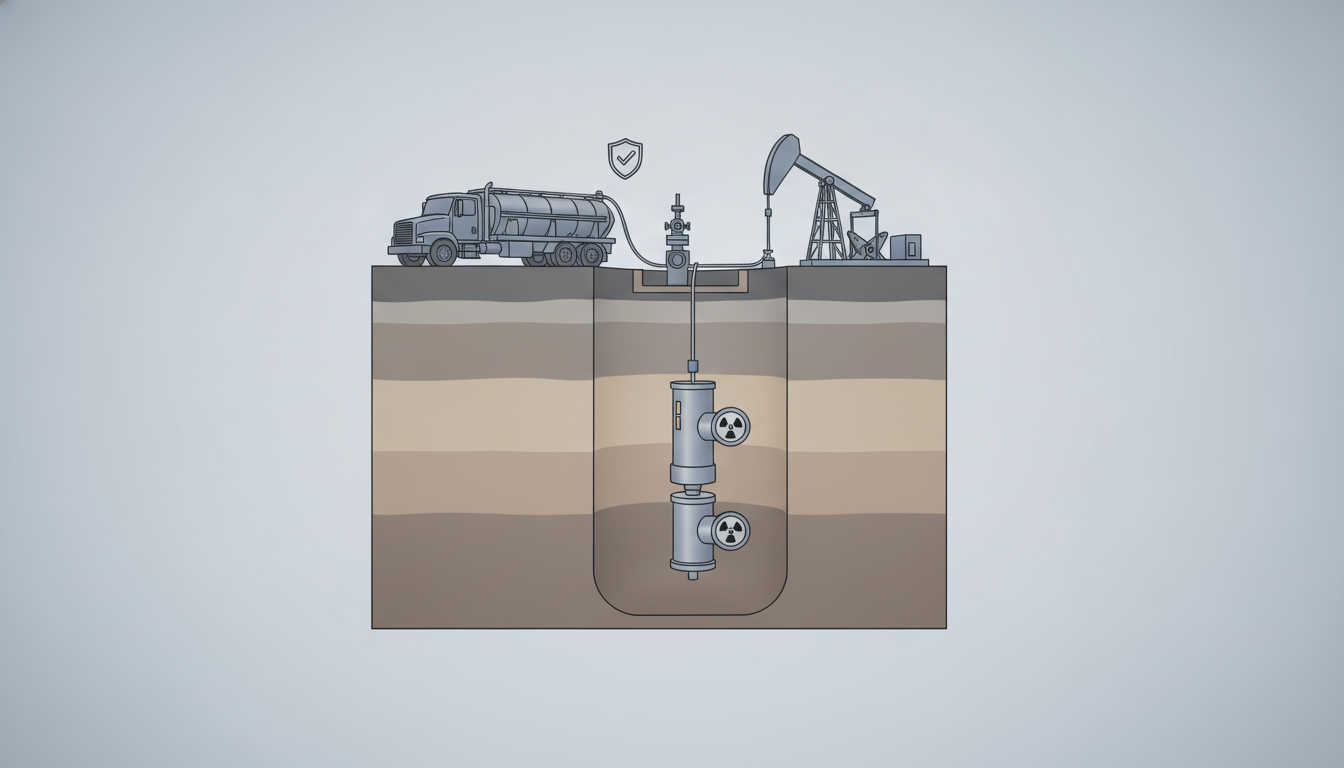
Wire Line Operations
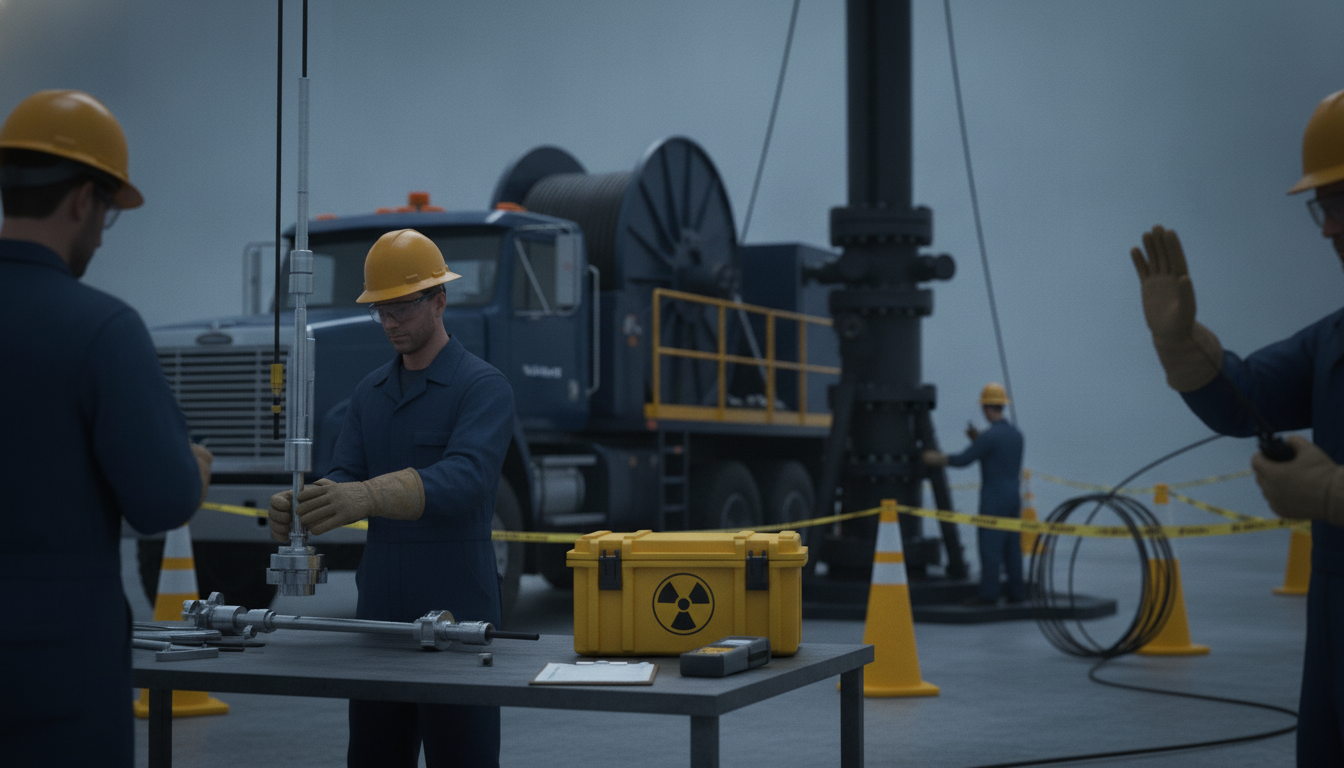
Industrial Radiography
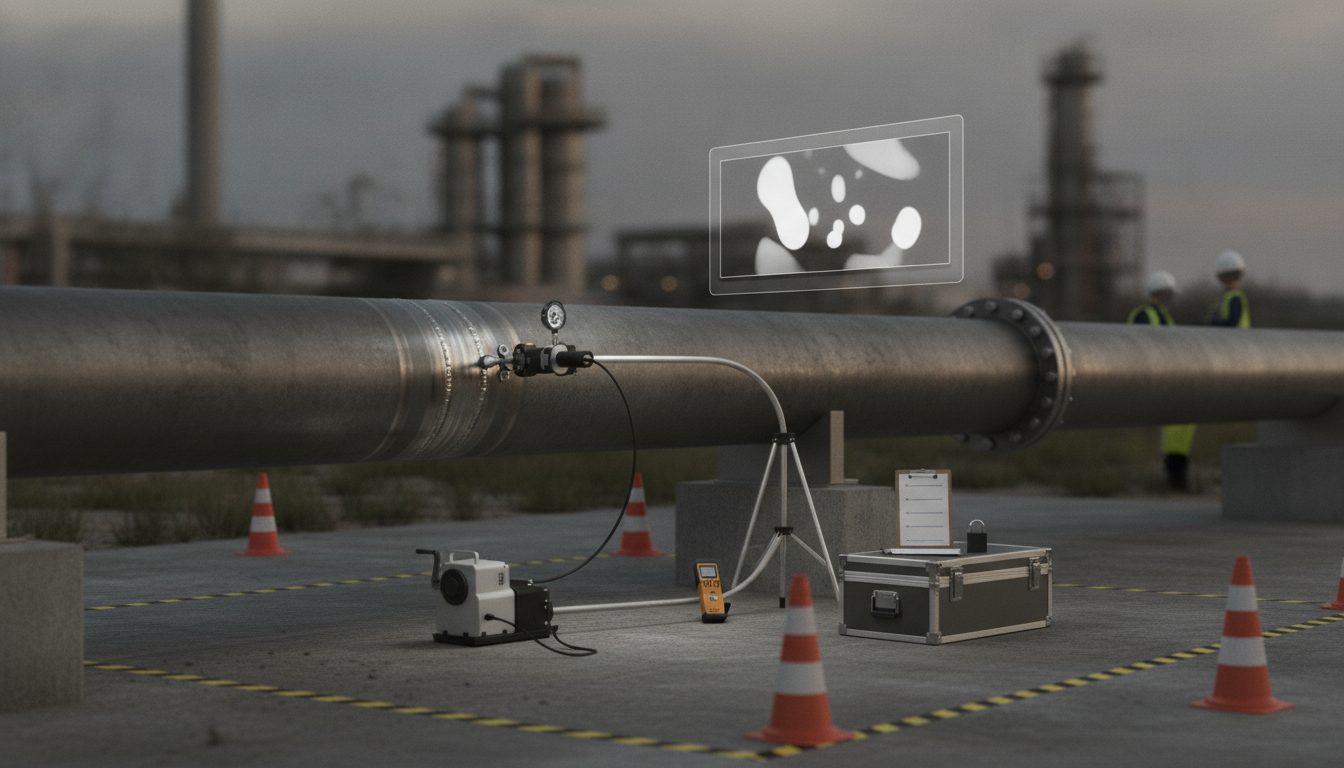
Tank Level Monitoring
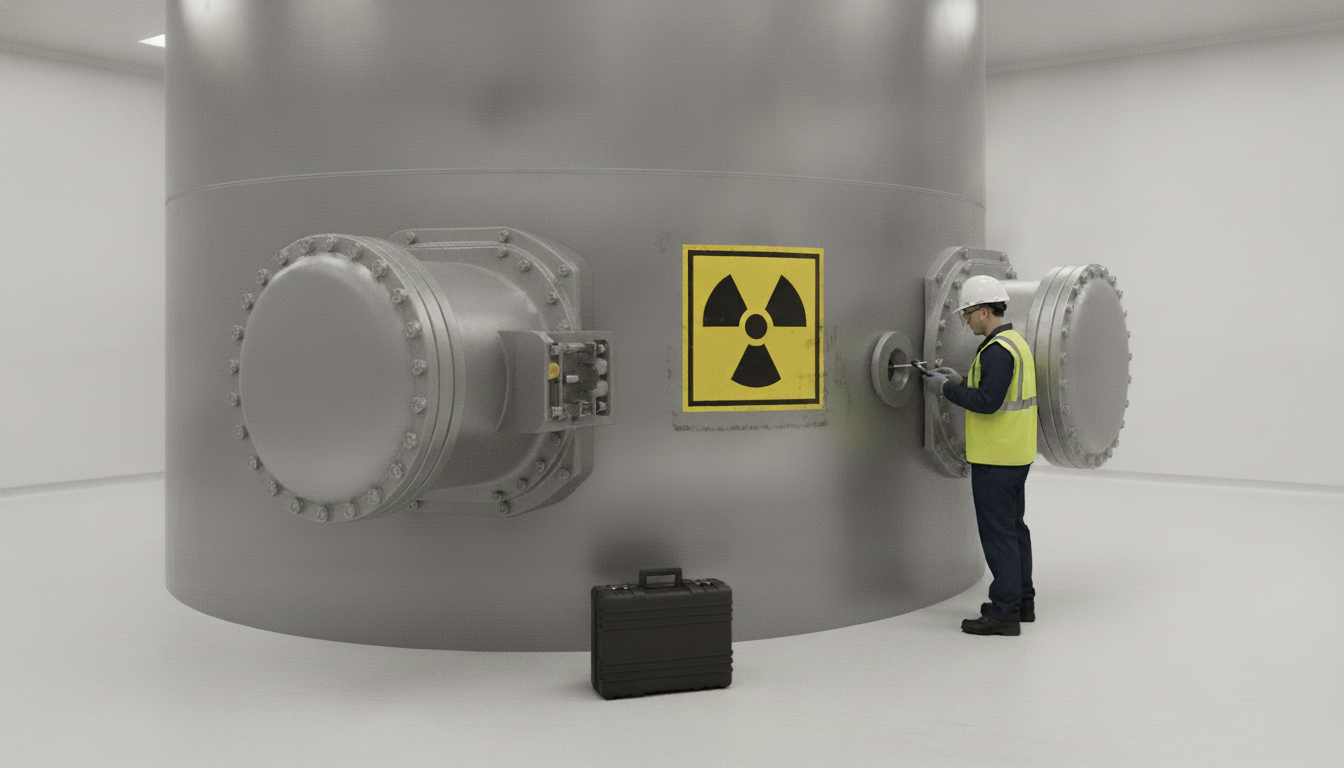
Density Determination
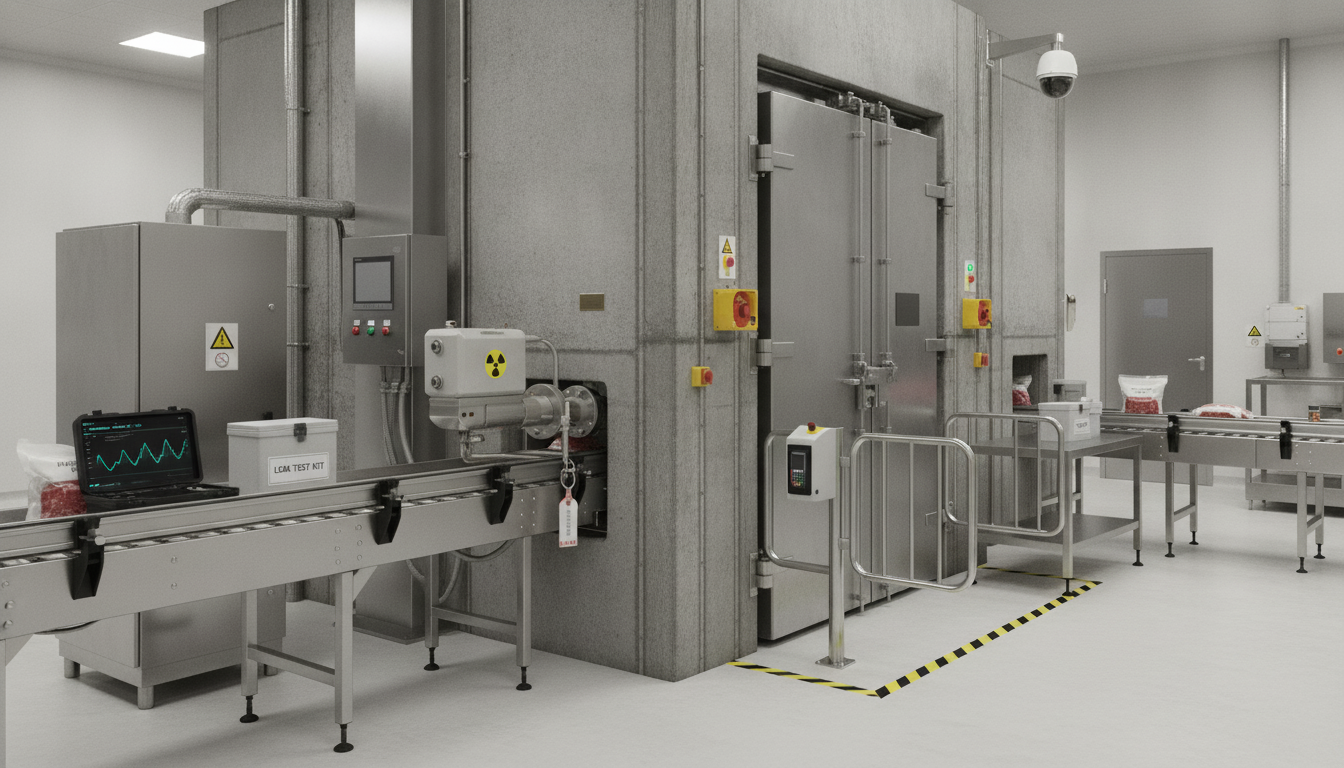
Process Monitoring
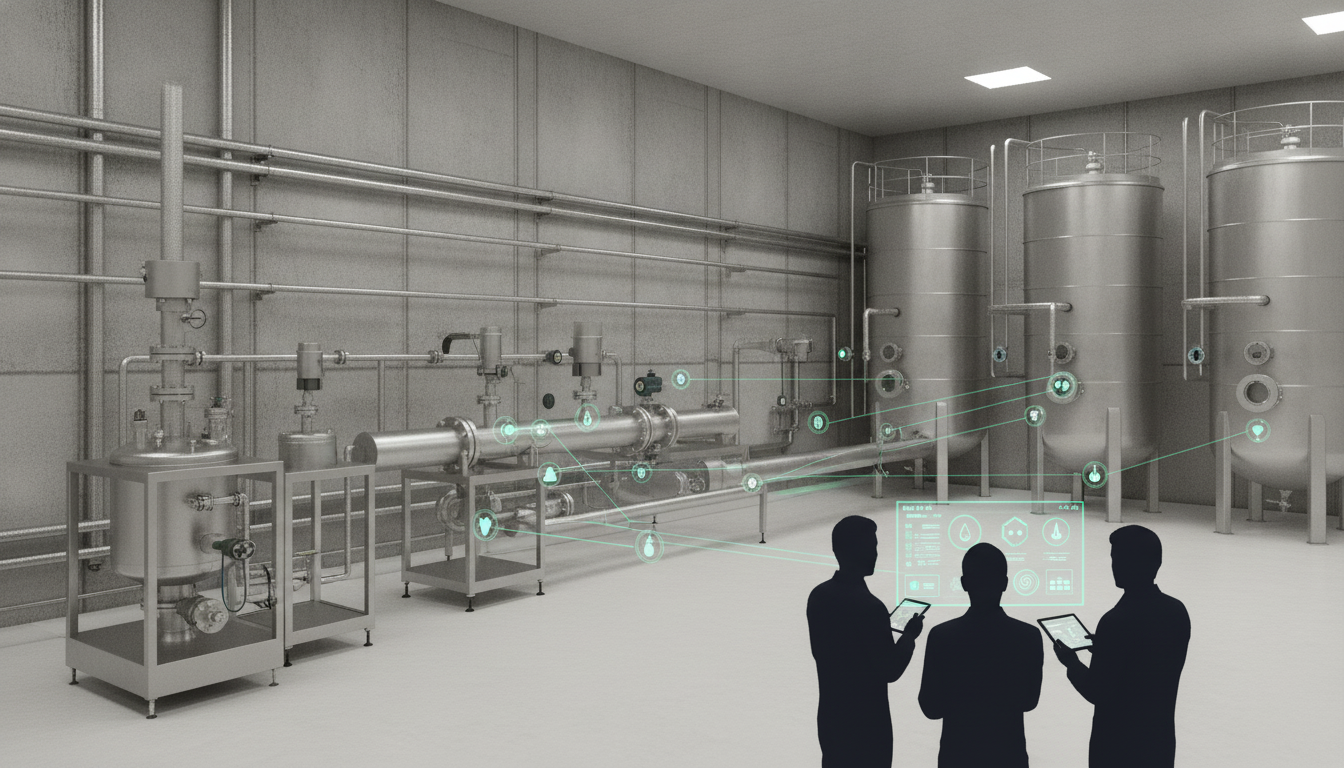
RSO Training for Oil and Gas Operations
Consulting and Training, Built to Work Together
Frequently Asked Questions
What regulations apply to well logging radiation sources?
Well logging sources are regulated primarily under 10 CFR Part 39, a dedicated federal framework covering license requirements, sealed source design and testing standards, retrieval and abandonment procedures, and recordkeeping specific to downhole logging. Many states operate their own equivalent regulations as NRC Agreement States, so the specific rules that apply depend on where the well is located, not just federal baseline requirements.
What happens if a well logging source gets stuck downhole and can't be retrieved?
Part 39 has specific procedures for this scenario. If a sealed source is classified as irretrievable after reasonable recovery efforts, the licensee must immobilize it with a cement plug, implement measures to prevent inadvertent intrusion by future drilling, and install a permanent identification plaque at the surface, all within 30 days of that classification. Field crews need training on recognizing when a recovery attempt should stop and the abandonment process should begin.
Do industrial radiographers need special certification beyond general radiation safety training?
Yes. Radiographers typically need to hold a recognized qualification such as ASNT SNT-TC-1A or an equivalent standard, on top of radiation safety training and, often, a separate radiography-specific license category. Because gamma sources used in radiography can't be powered off the way an X-ray generator can, exclusion zone control and source accountability carry more weight in radiography training than in gauge-based applications.
Do you provide both the compliance program and the training, or just one?
Both. IRSC builds the radiation safety program itself, licensing, inventory systems, leak test scheduling,, and delivers the training that field crews, radiographers, and wireline operators need to execute that program correctly. Companies can engage us for either service independently, but most oil and gas clients get the most value when both are handled together, since it keeps written procedures and actual field training aligned.
How is radiation safety training different for field crews compared to a fixed industrial facility?
Field crews in oil and gas work with sources in changing, often remote environments, without the fixed shielding, posted areas, or controlled access a manufacturing facility can rely on. Training has to cover portable exclusion zone setup, source transport and security in the field, emergency response when a source can't be retrieved or a device malfunctions, and coordination with well owners or site operators who may not be familiar with radiation safety procedures themselves.
Empowering industries with expert radiation safety training, consulting, and compliance solutions.
© 2026 IRSC, Inc. All rights reserved.
Powered By H3A